Acupuncture Helping Cancer Patients

I have a number of patients who come to my clinic to get help with managing the side effects of chemotherapy and radiation. Without a doubt, the treatments required to battle cancer are strong and can be debilitating to quality of life. The diagnosis is emotionally devastating and then coping with the treatments which are physically challenging becomes a double whammy.

I was pleased to read the article below because for those of us who treat patients going through the rigors of cancer treatment, we know that acupucnture is a wonderful option. One of my patients came to me after her chemotherapy, radiation and surgery was finshed. She was exhausted, anxious, not sleeping, having hot flashes and night sweats. These symptoms were a result of the post surgery medications as well as finally connecting to the emotional trauma of the battle to fight cancer. What many people on the outside don’t understand, is that the healing only begins once the treatment and surgery is over. Most patients are just too busy and preoccupied with surviving the process of fighting cancer rather than really processing what it all means.

Another patient came to me after her second diagnosis with cancer. She had been diagnosed many years earlier, had gone through chemotherapy and surgery and had been in remission for ten years. Suddenly she was faced with the diagnosis once again. She remembered what the treatment did to her physically and emotionally and had heard that acupuncture could be an option to help her get through it better. As she started her chemotherapy, she came to me with the information given to her by her doctor about what side effects to expect from the drugs she would be receiving.

As would be expected these patients were nervous. Anxious about what would be. So much unknown but at the same time aware that they would be feeling worse than horrible as the chemotherapy progressed. All I can share with you is what not only these two but numerous patients have told me during the course of their various cancer treatments.

“I feel calmer now”
“My nausea and vomitting is less”
“My stomach doesn’t hurt”
“My bowel movements are better”
“I am sleeping deeper”
“My energy is improving”
“I feel I can get through this”
I don’t ache as much all over
“I’m not getting as many headaches
“My anxiety is better”
“My hot flashes are less frequent and/or less intense”

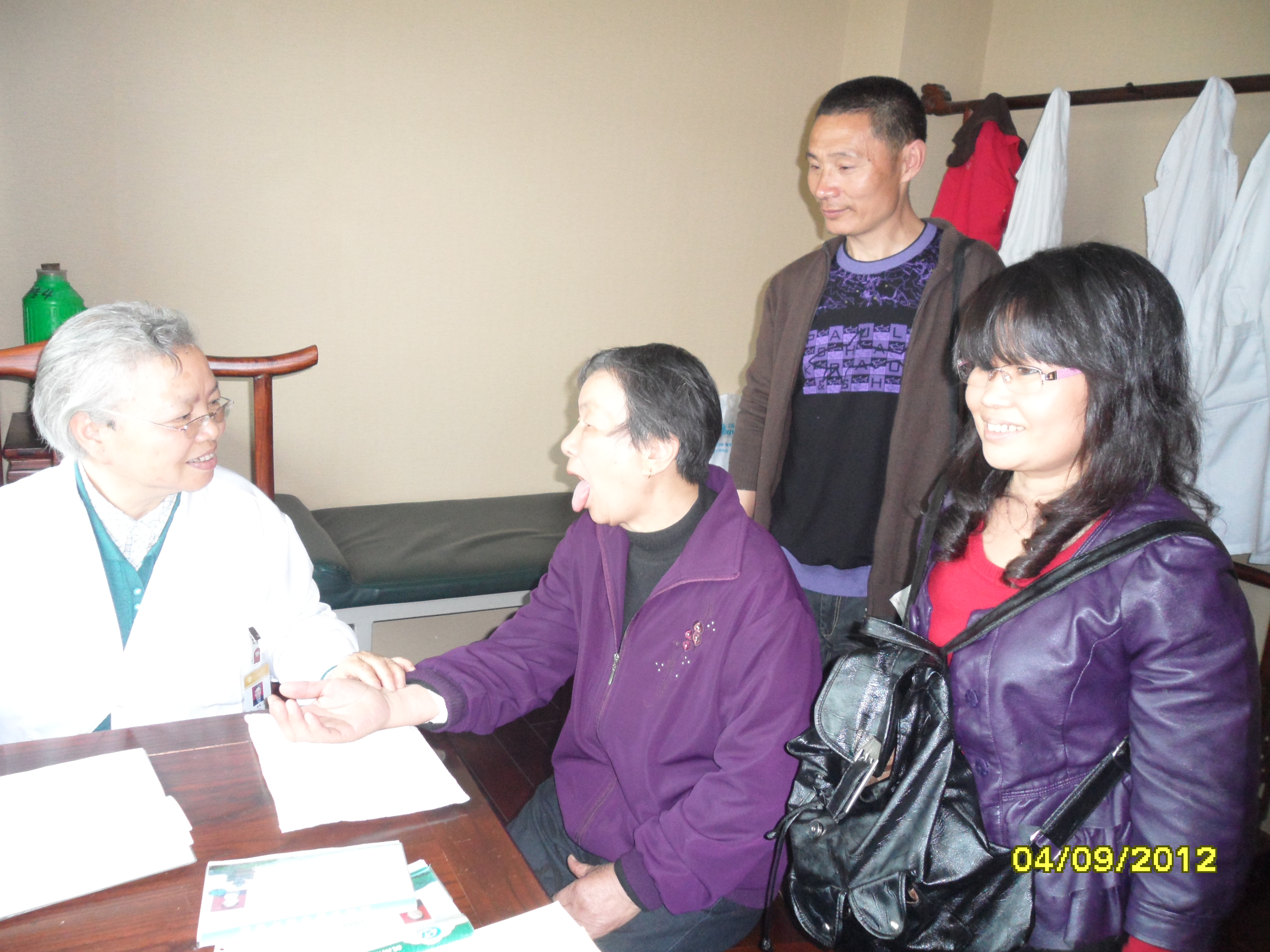
If any of these sound familiar for yourself or your friends and loved ones, it’s helpful to know that acupuncture helps. Based on what patients say, the tongue and pulse and an assessment, acupoints are chosen to address the constitiution of the patient as well as the symptoms. Please feel free to read this article that describes what many hospitals are now encouraging for their patients.
 

0 Comments

Research Shows Acupuncture Effective for Chronic Pain

http://www.medpagetoday.com/PrimaryCare/AlternativeMedicine/34673

Of course this research comes as no surprise, but it’s nice to read that the authors of a meta-analysis concluded that “acupuncture provides more relief from various types of chronic pain than does usual care and should be considered a valid therapeutic option.” Research based on my patient base suggests the same results.

During my monthly call in radio show, people always have questions on pain. Whether it be neck, shoulder, back or migraine pain, many want to know if there are other options to hydrocodone, topomax, or even extra strength tylenol.

Part of the problem with acupuncture research is that results show benefits but the mechanism of action is very hard to define or measure. In Western style research, scientists like to be able to explain how and why the treatment works. The difficulty in part is trying to measure an abstract form of energy, we can Qi (chi). You can feel Qi, but cannot readily see it or measure it beyond feeling for it in the pulses. In spite of the mechanism of action not being completely understood, results of this study showed that acupuncture treatment for pain relief was statistically better when compared to sham acupuncture and even higher for no acupuncture.

Many researchers like to attribute the beneficial results of acupuncture due to placebo effect. To challenge that point, I often refer to veterinary acupuncture which started many years ago on race horses who were lame. More often than not, the horses and now dogs and cats, move better after being treated with acupuncture. No matter how lovable and smart our animals are, they do not have the capacity to fake it (to please their owners). Either they are limping or they are not after a treatment. The results speak for itself.

Because it is so difficult to define the mechanism of action, many researchers continue to report that treatments remain “highly controversial.” But to be fair, many results are inconclusive due to poor study parameters such as too few subjects and inconsistency of quality and reliability of studies. But it’s also worth considering whether positive results of studies should be disregarded solely due to uncertainty as to mechanisms of action.

This study however, included almost 18,000 subjects and “conducted an individual patient data meta-analysis based exclusively on high quality randomized trials that their findings should be considered “both clinically and scientifically important.” In addition, their finding of “true acupuncture having significantly greater effect than the sham procedure indicates that the effects of the procedure do extend beyond placebo.” They conclude that this is “of major importance for clinical practice,” meaning that acupuncture should be considered “a reasonable referral option for patients with chronic pain.”

Dr. Avins, one of the authors of the study wrote: “The ultimate question is: does this intervention work (or, more completely, do its benefits outweigh its risks and justify its cost)?” “For acupuncture, the current meta-analysis offers “some robust evidence” that acupuncture does provide greater chronic pain relief than usual care, mechanisms of effect aside.”

For many of my patients, this research will be consistent with their experience. But Chinese medicine will only be considered a valid form of medicine with medical doctors when clinically solid studies show clear benefit. More and more studies are being conducted that show thousands of years of medicine from China as being a consistently effective and safe option of treatment for many health concerns. If you are interested in reading more research on acupuncture, you can look at studies from the National Institutes of Health Complementary and Alternative Medicine Office.

0 Comments

Some Observations on Healthcare from Training in China

I just returned last week from three weeks in China. The last two weeks were spent shadowing doctors and observing treatment strategies for various problems. The clinics in the hospitals I went to mainly were in the departments of gynecology, internal medicine, pain and gastroenterology. Some of the many medical problems I observed included: chronic and acute body pain, migraines and headaches, dizziness and vertigo, depression, gynecological issues including fibroids, cysts & painful menstruation, various digestive problems including gastric pain, reflux and gastritis.

It was interesting to watch the various approaches, both herbal and acupuncture. Most of the doctors of TCM (Traditional Chinese Medicine) do either one. I was told there is a pretty clear boundary on these areas. I would imagine it might be different in other parts of China however. In order to practice in Texas, we are required to be Board Certified in both Chinese Herbal Medicine as well as in Acupuncture.

In general, patients tend to respond better when both acupuncture and herbal medicine is prescribed. But it does depend on the condition and the number of Western prescriptions a patient takes.

I found the general population seeking medical care at the TCM clinics of two types. Those who only believe in Chinese medicine (and consequently don’t go to Western style MD’s) and those who tried Western medicine but didn’t like the effects of the drugs on their bodies. It was interesting to note that there seemed to be a larger percentage of younger men who were having strokes in China. My guess is that many of them did not go to Western doctors to monitor blood pressure or cholesterol. ( I maintain my mantra that if you get the best of Western and Chinese, you can have really good healthcare).

There were a few glaring observations that I would like to share. We in the USA are very blessed to have good healthcare and healthcare facilities. As broken as some people think it is, it is wonderful in comparison to healthcare in other parts of the world. We have requirements for cleanliness, proper disposal of trash and needles, disinfecting exam tables and surrounding areas, washing hands and sterilizing equipment, to name a few. We have the right to meet with the acupuncturist, doctor or nurse privately. We would never tolerate having five patients waiting in the same room listening until it is their time to meet with the doctor. We expect that the health care provider will use clean needle technique when giving a treatment or injection. We take these “little things” for granted and would be appalled if it would not be the case when we visit our doctor. The TCM doctors I observed were good doctors. They had different styles and philosophies about treating the different problems but they were all trained doctors of Chinese medicine. The patients were completely willing to submit to the treatment strategies the doctors recommended and there were very few, if any, questions asked…

With all the above said, I have to say that the doctors see a lot of patients every day. There is a waiting line out the door. Which means that patients feel they get better whent they see the doctor. Although it would not seem up to our “sanitary standards,” there is a cultural understanding that this is sufficient. Patients need healthcare and they get it in the manner they know and are accustomed to. Through my interpreter, patients responded that they like coming to the clinics and they like getting their acupuncture and/or herbal prescriptions. They say it helps and they feel better. I guess at the end of the day, that’s what we all want when we go to the doctor.

0 Comments

Acupuncture Can Help Anyone Going Through Cancer Treatment

As I was contemplating writing a blog about some of my patients who are undergoing chemo and/or radioation therapy, I received this blog from another acupuncturist. I thought she wrote about it so well that instead of writing my own, I decided to go ahead and post her blog.

Top 10 Ways Acupuncture Can Help Anyone Going Through Cancer Treatment!

Getting the diagnosis of Cancer is a real life-changer. I think you’ll probably always remember everything about that day when your doctor sat you down to tell you the news. And it certainly does have the chance to be a real life-ruiner, doesn’t it?

As a person, I have been dealing with cancer in my family for as long as I can remember, and as an Acupuncturist I have been working with Cancer patients since I was in Grad school. I’ve seen both sides of the story and I’m here to tell you that although getting the news of Cancer will probably always be one of the worst days you can imagine, your cancer treatment doesn’t have to be as scary as it sounds. Find a good Oncologist (shameless plug for one of the best Oncologists in Denver, Dr. Samir Witta of Mountain Blue Cancer Care Center) and you will find plenty of options if your cancer is treatable. Now bring on an Oncology Specialized Acupuncturist and you have a very well rounded team to get you through your cancer treatments.

Does it seem strange to think of a Medical Doctor and an Acupuncturist working so well together? Well it shouldn’t! Many of the best hospitals in the country offer Acupuncture as part of their treatment program.

Here are 10 things Acupuncture can help anyone going through cancer treatments with:
· Fatigue
· Neuropathy
· Nausea/vomiting
· Headaches
· Body-aches
· Insomnia
· Surgery Prep/Recovery
· Blood counts/Immune System
· Depression
· Hot flashes

Although that’s the list of things I most commonly see, there is so much more that Acupuncture can help with! The timing, a frequency, can change depending on what works best with your body and your chemo schedule, so be open to playing around with timing of treatments. A good place to start is the day before your Chemo treatment. Although once a week is useful, many of my patients, who have done the very best, have come in twice on the week of chemo and once a week otherwise.

So there you go… while the diagnosis of Cancer will always suck, the treatment doesn’t have to. Things like rest, sleep, good nutrition, laughter and Acupuncture, you are giving your body the tools it needs to take care of itself, while you go thru treatment, and I know that it will return the favor tenfold!

Click here for more about this article and acupuncture for cancer

0 Comments